Why Choosing the Right Flat Roofing System Matters
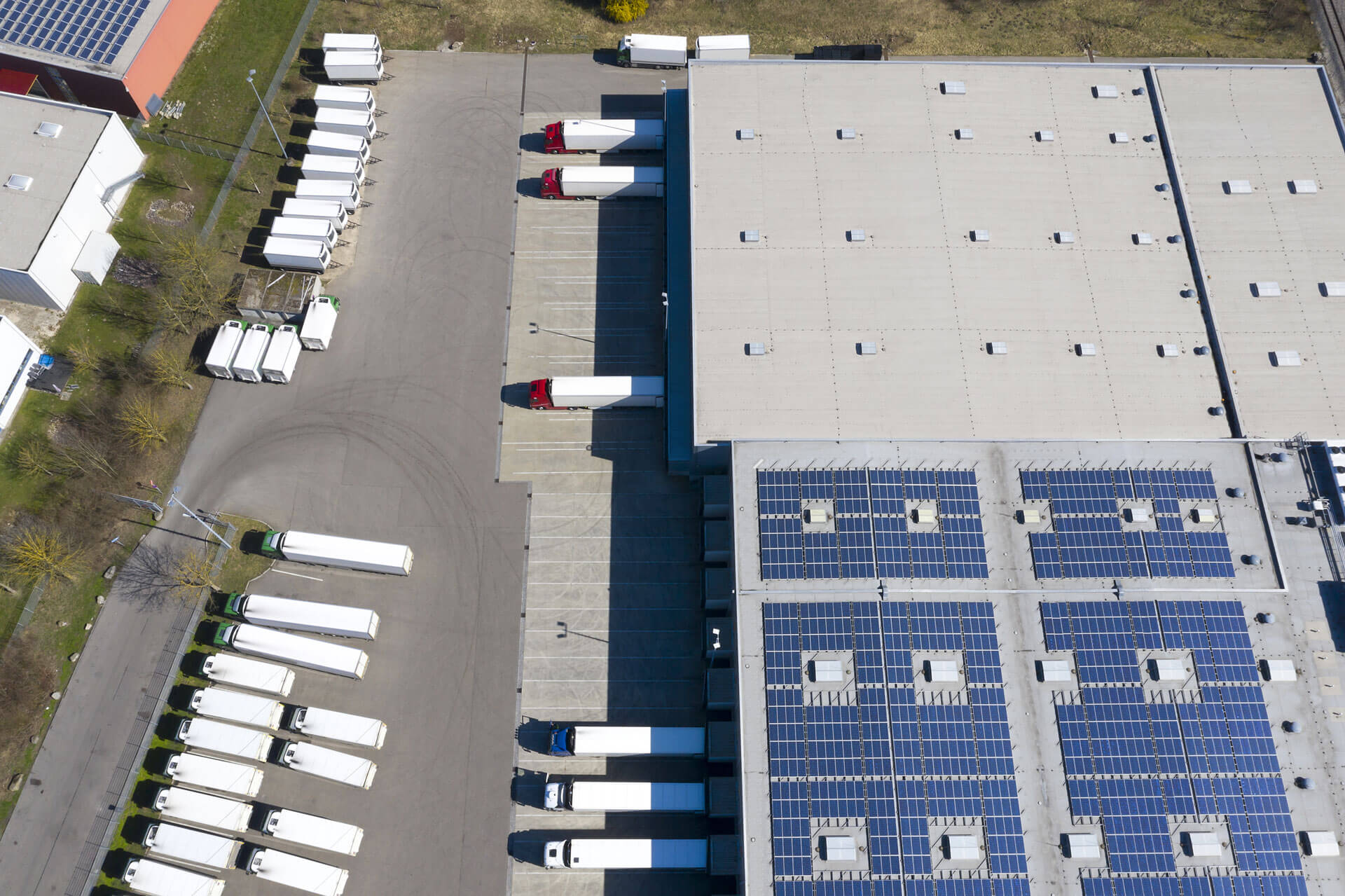
Flat and low-slope roofs are now common on commercial buildings, multi-family properties, and even modern residential homes and additions. Choosing the wrong flat roofing material can lead to recurring leaks, ponding water, premature aging, and higher long-term repair costs. EPDM and modified bitumen are two proven systems that offer different strengths for different building types, climates, and budgets. This guide will help property owners understand how each system works and which one is the better fit for their roof.
What Is a Flat Roofing System?
A flat roofing system is designed for roofs with very low pitch, typically under 3:12, where water does not shed as quickly as on a steep-slope roof. These systems must be watertight, flexible, and able to handle standing water, rooftop equipment, and thermal movement.
Flat and low-slope roofs are widely used on:
- Commercial buildings (offices, warehouses, retail)
- Multi-family and mixed-use properties
- Residential flat roofs such as garages, additions, and modern designs
Common flat roofing materials include:
- EPDM (synthetic rubber membranes)
- Modified bitumen (multi-layer asphalt-based systems)
- TPO and PVC (single-ply thermoplastic membranes, mentioned here for context but not the focus of this guide)
EPDM Roofing Explained
EPDM (ethylene propylene diene monomer) is a synthetic rubber membrane used extensively on flat and low-slope roofs. It typically comes in large rolls and is available in different thicknesses (often 45, 60, and 90 mil), with thicker membranes offering greater protection and durability. EPDM is commonly black but can also be manufactured in white for improved reflectivity.
Installation methods:
- Fully adhered: The membrane is glued directly to the insulation or substrate.
- Mechanically fastened: Fasteners and plates secure the membrane at seams or rows.
- Ballasted: The membrane is loosely laid and held in place with stone ballast.
Ideal use cases for EPDM roofing:
- Large, open commercial roofs where large sheets reduce seams.
- Buildings that experience significant thermal movement.
- Budget-conscious projects where long-term performance is still important.
Strengths:
- Excellent flexibility in hot and cold temperatures.
- Large sheet sizes mean fewer seams and fewer potential leak points.
- Proven track record over decades with relatively low maintenance needs.
Limitations:
- Standard black EPDM can absorb heat, increasing cooling loads unless white EPDM or additional insulation is used.
- Vulnerable to punctures from sharp objects or heavy foot traffic if not properly protected.
Modified Bitumen Roofing Explained
Modified bitumen roofing is an asphalt-based flat roofing system enhanced with polymer modifiers to improve flexibility and durability. It is typically installed in rolls and built up in one or more layers, often over a base sheet, creating a robust, multi-layer membrane.
Material composition:
- Asphalt combined with polymers such as SBS (styrene-butadiene-styrene) or APP (atactic polypropylene) for added elasticity and weather resistance.
Installation methods:
- Torch-down: The underside of the membrane is heated with a torch to adhere it to the substrate.
- Cold-applied: Adhesives or cold-process materials bond the membrane without open flame.
- Self-adhered: Factory-applied adhesive backing allows peel-and-stick installation.
Surface finishes and protection layers:
- Mineral granules for UV protection and traction.
- Reflective coatings to reduce heat absorption.
- Smooth surfaces that can later be coated.
Ideal use cases for modified bitumen:
- Residential flat roofs, porches, and small commercial roofs.
- Roofs with regular foot traffic or rooftop equipment.
- Projects where a more traditional or granular surface is preferred.
EPDM vs Modified Bitumen: Side-by-Side Comparison
| Factor | EPDM Roofing | Modified Bitumen Roofing |
|---|---|---|
| Typical Lifespan | Around 20–30 years (thicker = longer) | Around 20–30 years with proper maintenance |
| UV / Heat Resistance | Good, especially in white EPDM | Very good with granules or reflective coatings |
| Cold / Thermal Movement | Excellent flexibility and elongation | Good; SBS-modified excels in freeze-thaw cycles |
| Puncture / Impact Resistance | Moderate; can be vulnerable to punctures | High; multi-layer system resists foot traffic and impact |
| Installation Complexity | Generally simpler, fewer layers | More complex; multi-layer, torch or adhesive work |
| Safety Considerations | No open flame with adhered/ballasted | Torch-down requires strict fire safety; cold/self-adhered reduce risk |
| Visual Appearance | Smooth black or white membrane | Granulated surfaces, more “roof-like” look |
Cost Comparison: EPDM vs Modified Bitumen
Exact pricing varies by market, roof size, and complexity, but both EPDM and modified bitumen are considered cost-effective compared to many other flat roofing options.
General cost tendencies:
- EPDM: Often slightly higher material cost than basic modified bitumen, but faster installation on large roofs can lower labor cost per square foot.
- Modified bitumen: Material cost can be competitive or slightly lower, but multi-layer installation and torch work can increase labor time on complex projects.
Factors affecting flat roof cost:
- Roof size and accessibility (larger, open roofs favor EPDM efficiencies).
- Tear-off vs overlay over existing roofing.
- Installation method (ballasted or mechanically fastened vs fully adhered or multi-ply).
Long-term cost considerations:
- EPDM: Fewer seams and good flexibility can help reduce leak-related repairs when properly installed and maintained.
- Modified bitumen: Excellent puncture resistance and redundancy can reduce damage and repair costs where foot traffic or hail is common.
- Replacement timelines: Both systems typically last a few decades, and total cost should factor in maintenance, energy use, and number of replacements over the building’s life.
Maintenance and Repair Requirements
EPDM maintenance needs:
- Regular inspections of seams, flashings, and penetrations.
- Prompt repair of any punctures or membrane damage to prevent water intrusion.
- Ensuring drains, scuppers, and gutters remain clear to avoid ponding water.
Modified bitumen maintenance needs:
- Monitoring granule wear and surface aging, especially in high-sun or high-traffic areas.
- Checking for blisters, splits, or cracks, particularly at seams and flashings.
- Re-coating reflective or protective surfaces as recommended to maintain performance.
For both systems, scheduled professional inspections (often annually and after severe storms) can extend service life and catch small issues before they become major leaks.
Best Use Cases: Which Flat Roofing System Is Right for You?
When EPDM is often the better option:
- Large commercial roofs where big membrane sheets and fewer seams are an advantage.
- Buildings that experience significant thermal expansion and contraction.
- Projects where budget is important but long-term reliability is still a priority.
When modified bitumen is often the better option:
- Residential flat roofs, small commercial buildings, and mixed-use properties.
- Roofs with regular foot traffic, rooftop patios (with appropriate protection), or dense rooftop equipment.
- Situations where extra puncture resistance and multi-layer redundancy are valued.
Climate, building use, and energy goals should guide the final choice, ideally with input from an experienced flat roofing contractor who understands both systems.
Why Professional Flat Roofing Installation Is Critical
Flat roofs are less forgiving than steep-slope roofs because water moves slowly and can pool in even slight depressions. Common installation mistakes—such as inadequate slope, poor drainage layout, weak seams, or incorrectly detailed flashings—are a leading cause of premature flat roof failure. Some modified bitumen systems also involve open-flame torch work, which requires strict safety protocols and trained technicians.
When evaluating a flat roofing contractor, look for:
- Experience with both EPDM and modified bitumen systems.
- Manufacturer certifications and training.
- A clear plan for slope, drainage, insulation, and flashing details.
- Strong references from other flat roof projects in your area.
Frequently Asked Questions (FAQs)
How long do EPDM and modified bitumen roofs last?
Both systems typically last around 20–30 years or more with proper installation and maintenance.
Which flat roofing system is more durable?
Modified bitumen generally offers better puncture and impact resistance, while EPDM excels in flexibility and accommodating thermal movement.
Can EPDM or modified bitumen be repaired instead of replaced?
Yes. Both systems can be patched and repaired, especially if issues are caught early during inspections.
Which flat roofing system works best in extreme weather?
EPDM performs very well in extreme cold because of its elasticity, while modified bitumen’s multi-layer construction shines in areas with heavy foot traffic, hail, or where redundant waterproofing is important.
How often should flat roofs be inspected?
At least once a year and after major storms, or more often on high-value or high-traffic roofs.
EPDM vs Modified Bitumen—Making the Right Choice
EPDM and modified bitumen are both proven flat roofing systems, but they shine in different scenarios. The best choice depends on your building type, roof size, traffic level, climate, and long-term ownership goals. Working with a qualified flat roofing contractor ensures your chosen system is installed correctly and maintained properly, which often matters more than the membrane type alone.
Need help choosing the right flat roofing system? Contact Warren Thompson & Son Roofing & Siding for expert EPDM and modified bitumen roofing services in New Jersey and Pennsylvania, including professional inspections, honest recommendations, and high-quality flat roof installation for residential and commercial properties.